India Holidays
Rajasthan: Tigers & Kings
12 Days: Delhi - Taj Mahal - Bharatpur Bird Sanctuary - Jaipur -
Ranthambhor Tiger Reserve - Kota - Castle Bijaipur -Chittorgarh Fort - Udaipur
![]() Day 1:
Arrive Delhi (early AM):
Clear immigration and customs. A High Points representative will
be waiting for you outside the arrival hall, holding a “High Points Of India”
placard. Transfer to hotel. PM: Half day guided city tour of New Delhi. The
buildings designed by Edward Lutyens -architect of modern Delhi - are truly
majestic. The Presidential Palace, Parliament House and India Gate are all
reminiscent of the British "Raj". We drive through Delhi’s beautiful tree-lined
avenues, and the Diplomatic Enclave enroute to the 12th century, 234 ft high fluted
minaret of the Qutab Minar. Later, we shall stop at the Hauz Khas, to explore its
art galleries, boutiques and exotic restaurants set amidst 1000 year old fortifications
and a lively village.
Day 2: Delhi:
AM: Guided tour of Old Delhi: Today we will explore the magnificent
Red Fort, built at the zennith of the Mughal empire in India. The centuries-old
international market-place that sprawls at its feet is still one of Delhi's most
important commercial hubs: Chandni Chowk, or “Moonlight Square”. We shall
ride on cycle-rickshaws through the bustling silver market and the wholesale spice
market. The sounds, smells and colors of the bazaar, and the throngs of people who
animate it makes this an unforgettable spectacle. Our last stop in Old Delhi shall
be the elegant Jumma Masjid, the largest mosque in Asia.
Day 3: Delhi - Agra:
Day 1:
Arrive Delhi (early AM):
Clear immigration and customs. A High Points representative will
be waiting for you outside the arrival hall, holding a “High Points Of India”
placard. Transfer to hotel. PM: Half day guided city tour of New Delhi. The
buildings designed by Edward Lutyens -architect of modern Delhi - are truly
majestic. The Presidential Palace, Parliament House and India Gate are all
reminiscent of the British "Raj". We drive through Delhi’s beautiful tree-lined
avenues, and the Diplomatic Enclave enroute to the 12th century, 234 ft high fluted
minaret of the Qutab Minar. Later, we shall stop at the Hauz Khas, to explore its
art galleries, boutiques and exotic restaurants set amidst 1000 year old fortifications
and a lively village.
Day 2: Delhi:
AM: Guided tour of Old Delhi: Today we will explore the magnificent
Red Fort, built at the zennith of the Mughal empire in India. The centuries-old
international market-place that sprawls at its feet is still one of Delhi's most
important commercial hubs: Chandni Chowk, or “Moonlight Square”. We shall
ride on cycle-rickshaws through the bustling silver market and the wholesale spice
market. The sounds, smells and colors of the bazaar, and the throngs of people who
animate it makes this an unforgettable spectacle. Our last stop in Old Delhi shall
be the elegant Jumma Masjid, the largest mosque in Asia.
Day 3: Delhi - Agra: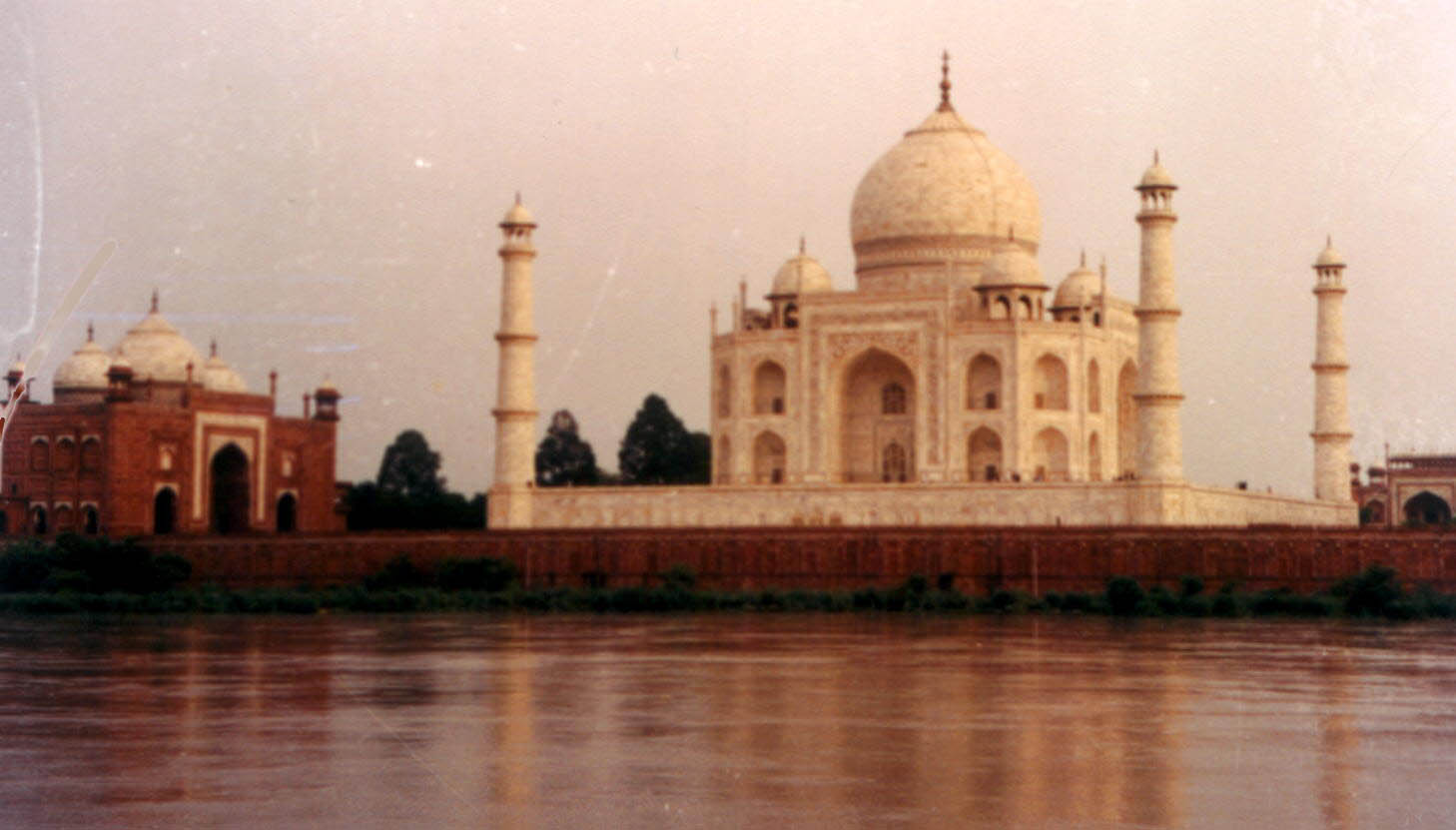 Early morning transfer to Railway Station. Board the efficient and comfortable
Shatabdi Express train for the breakfast ride to Agra. We travel the world's second
largest railway system. It shall be an unforgettable experience, as we get acquainted
with yet another world within the gigantic kaleidoscope of India. Met on arrival
at Agra and proceed directly for city tour. After exploring the Agra Fort - "a splendid
fusion of military might and lavish ornamentation" - we shall break for lunch and
check-in to our hotel. We spend the afternoon and early evening at the Taj Mahal,
the magnificent monument to an emperor's love for his queen.
Day 4: Agra- Fatehpur Sikri- Bharatpur (Keolodeo Bird Sanctuary):
AM: Drive to Bharatpur Bird Sanctuary in the state of Rajasthan. Enroute
visit the deserted city of Fatehpur Sikri. This is a perfectly preserved ghost town,
built between 1570 and 1585. The original capital of the Mughal empire was situated
here, but was later abandoned due to lack of an adequate water supply. The deserted
city boasts several elegant palaces and mosques. Arrive in time for lunch at the
bird sanctuary.
Early morning transfer to Railway Station. Board the efficient and comfortable
Shatabdi Express train for the breakfast ride to Agra. We travel the world's second
largest railway system. It shall be an unforgettable experience, as we get acquainted
with yet another world within the gigantic kaleidoscope of India. Met on arrival
at Agra and proceed directly for city tour. After exploring the Agra Fort - "a splendid
fusion of military might and lavish ornamentation" - we shall break for lunch and
check-in to our hotel. We spend the afternoon and early evening at the Taj Mahal,
the magnificent monument to an emperor's love for his queen.
Day 4: Agra- Fatehpur Sikri- Bharatpur (Keolodeo Bird Sanctuary):
AM: Drive to Bharatpur Bird Sanctuary in the state of Rajasthan. Enroute
visit the deserted city of Fatehpur Sikri. This is a perfectly preserved ghost town,
built between 1570 and 1585. The original capital of the Mughal empire was situated
here, but was later abandoned due to lack of an adequate water supply. The deserted
city boasts several elegant palaces and mosques. Arrive in time for lunch at the
bird sanctuary.
 PM: Excursions in the sanctuary on bicycles by cycle-rickshaws
and by boat. 30 miles west of Agra this is of the most spectacular bird sanctuaries
in India, nesting indigenous water- birds as well as migratory water birds
and water-side birds. It is also inhabited by sambar, chital, nilgai (Indian
deer species) and wild boar. Over 350 species of birds find a refuge in the shallow
lakes and woodland which makes up the park.A third of them are migrants, many of
whom spend their winters in Bharatpur, before returning to their breeding grounds
as far away
PM: Excursions in the sanctuary on bicycles by cycle-rickshaws
and by boat. 30 miles west of Agra this is of the most spectacular bird sanctuaries
in India, nesting indigenous water- birds as well as migratory water birds
and water-side birds. It is also inhabited by sambar, chital, nilgai (Indian
deer species) and wild boar. Over 350 species of birds find a refuge in the shallow
lakes and woodland which makes up the park.A third of them are migrants, many of
whom spend their winters in Bharatpur, before returning to their breeding grounds
as far away as Siberia and Central Asia. Migratory birds at Keoladeo include as large a bird
as the Dalmatian pelican, which is slightly less than 6 ft. long, and as small a
bird as the Siberian disky leaf warbler, which is the size of a finger. Other migrants
include several species of cranes, pelicans, geese, ducks, eagles, hawks, shanks,
stints, wagtails, warblers, wheatears, flycatchers, buntings, larks, pipits, etc.
Day 5: Bharatpur- Jaipur:
AM: Excursions in the reserve.
PM: Continue our drive to Jaipur. We drive past stretches of golden
sand and low, rocky hills dotted with tiny fortresses. Occasional camel-drawn carts
share the road. Their riders wear the colorful turbans and fierce mustaches of the
fabled Rajput clans. We shall reach our hotel in Jaipur by early evening.
as Siberia and Central Asia. Migratory birds at Keoladeo include as large a bird
as the Dalmatian pelican, which is slightly less than 6 ft. long, and as small a
bird as the Siberian disky leaf warbler, which is the size of a finger. Other migrants
include several species of cranes, pelicans, geese, ducks, eagles, hawks, shanks,
stints, wagtails, warblers, wheatears, flycatchers, buntings, larks, pipits, etc.
Day 5: Bharatpur- Jaipur:
AM: Excursions in the reserve.
PM: Continue our drive to Jaipur. We drive past stretches of golden
sand and low, rocky hills dotted with tiny fortresses. Occasional camel-drawn carts
share the road. Their riders wear the colorful turbans and fierce mustaches of the
fabled Rajput clans. We shall reach our hotel in Jaipur by early evening.
 Day 6: Jaipur:
AM: High above the city, the towers and domes of the Amber Fort are
reminiscent of scenes from some fairy tale. We shall ascend to the fort atop gaily
decorated elephants, as did the Maharajah’s of old. Within the fort walls lie an
assortment of buildings famous for their intricate mirror inlays - the Hall of Mirrors
and other palaces with latticed windows and beautifully sculpted arches and pillars.
PM: This afternoon we will tour Jaipur city, visiting the Maharaja’s City Palace.
The City Palace is still the residence of the Jaipur family, and its museum displays
a fabulous collection of paintings, carpets, jewelry and arms. We will also visit
the Jantar Mantar (the Royal Observatory), and the Hawa Mahal, or “Palace of the
Winds”. This is a multi-storied, intricately latticed facade of pink sandstone,
designed for the pleasures of the ladies of the royal court. From here they could
look out upon the quaint bazaars that still thrive around the palace, without exposing
themselves to the prying stares of the commoners. Later, we shall explore
the same colorful bazaars on foot. Here we may have memorable encounters with the
descendents of those commoners, many of whom still live in their ancestral “havelis”
along the main market-street. The sheer variety of the items that is sold off the
street is fascinating, ranging from the mundane to the exotic, and even the simply
baffling.
Day 7: Jaipur - Ranthambhor: AM. Half-day drive to the famous
Day 6: Jaipur:
AM: High above the city, the towers and domes of the Amber Fort are
reminiscent of scenes from some fairy tale. We shall ascend to the fort atop gaily
decorated elephants, as did the Maharajah’s of old. Within the fort walls lie an
assortment of buildings famous for their intricate mirror inlays - the Hall of Mirrors
and other palaces with latticed windows and beautifully sculpted arches and pillars.
PM: This afternoon we will tour Jaipur city, visiting the Maharaja’s City Palace.
The City Palace is still the residence of the Jaipur family, and its museum displays
a fabulous collection of paintings, carpets, jewelry and arms. We will also visit
the Jantar Mantar (the Royal Observatory), and the Hawa Mahal, or “Palace of the
Winds”. This is a multi-storied, intricately latticed facade of pink sandstone,
designed for the pleasures of the ladies of the royal court. From here they could
look out upon the quaint bazaars that still thrive around the palace, without exposing
themselves to the prying stares of the commoners. Later, we shall explore
the same colorful bazaars on foot. Here we may have memorable encounters with the
descendents of those commoners, many of whom still live in their ancestral “havelis”
along the main market-street. The sheer variety of the items that is sold off the
street is fascinating, ranging from the mundane to the exotic, and even the simply
baffling.
Day 7: Jaipur - Ranthambhor: AM. Half-day drive to the famous Ranthambhore Tiger Reserve. PM: Game drives in the reserve by jeeps.The Reserve
sprawls over an estimated area of 250 sq. miles. Steep crags embrace a network of
lakes and rivers, and atop one of these hills, is the impressive Ranthambore Fort,
built in the 10th century. The terrain fluctuates between impregnable forests and
open bushland. The forest is the typically dry deciduous type, with dhak, being
the most prominent tree. The Padam Talab, the Raj Bagh Talab and the Milak Talab
(names of lakes in this forest) attract the tiger population. They have been spotted
at the edges of these lakes. Old crumbling walls, ruined pavilions, wells, and other
ancient structures stand witness to the region’s glorious past. The entire forest
is peppered with the battlements and spillovers of the Ranthambore fort - tigers
are said to frequent these ruins, too. Apart from tigers, the reserve has its share
of panthers, who are to be found on the outskirts due to the inevitable conflicts
with the tiger population. The other permanent residents of the park include marsh
crocodiles, hyenas, jungle cats and sloth bears. Sambar deer are found in abundance
all over the area, the prime target of all the predators. Chital, Nilgai, and Chinkara
deer are the other inhabitants of the region. The avian population comprises of
black storks, quails, Bonelli’s eagles, spur fowls, crested serpent eagles and painted
storks.
Day 8: Ranthambhor: AM & PM: Game drives.
Day 9: Ranthambhor – Kota: AM Drive to Kota and Bundi.
Ranthambhore Tiger Reserve. PM: Game drives in the reserve by jeeps.The Reserve
sprawls over an estimated area of 250 sq. miles. Steep crags embrace a network of
lakes and rivers, and atop one of these hills, is the impressive Ranthambore Fort,
built in the 10th century. The terrain fluctuates between impregnable forests and
open bushland. The forest is the typically dry deciduous type, with dhak, being
the most prominent tree. The Padam Talab, the Raj Bagh Talab and the Milak Talab
(names of lakes in this forest) attract the tiger population. They have been spotted
at the edges of these lakes. Old crumbling walls, ruined pavilions, wells, and other
ancient structures stand witness to the region’s glorious past. The entire forest
is peppered with the battlements and spillovers of the Ranthambore fort - tigers
are said to frequent these ruins, too. Apart from tigers, the reserve has its share
of panthers, who are to be found on the outskirts due to the inevitable conflicts
with the tiger population. The other permanent residents of the park include marsh
crocodiles, hyenas, jungle cats and sloth bears. Sambar deer are found in abundance
all over the area, the prime target of all the predators. Chital, Nilgai, and Chinkara
deer are the other inhabitants of the region. The avian population comprises of
black storks, quails, Bonelli’s eagles, spur fowls, crested serpent eagles and painted
storks.
Day 8: Ranthambhor: AM & PM: Game drives.
Day 9: Ranthambhor – Kota: AM Drive to Kota and Bundi. Kota Fort overlooks the turbulent waters of the Chambal river
and its three-layered fortifications heavily reinforced by massive bastions.
6 double gates and 25 towers. The City Palace and the Fort comprise one of the largest
of such complexes in Rajasthan. The former rulers of Kota still retain a major portion
of the palace. The Madho Singh trust Museum has an excellent collection of weapons,
clothing and some of the best preserved murals in Rajasthan. The museum is divided
into two sections, which include the Durbar Hall with its beautiful mirror work,
and doors inlaid with ebony and ivory, and a superb collection of Rajput miniature
paintings of the Kota School. The paintings of Raja Mahal, Chhatra Mahal and the
Jhala Haveli are exquisite. The Jagmandir is a spectacular temple located
in the center of an artificial lake. It was built by Maharani Brij Kanwar, a princess
of Mewar in 1740. The Lakhi Burj at at the western point of the Chhatra Vilas Park,
offers excellent views of the city and the Jagmandir.
Quiet and still, a sharp contrast to the restless bustle of Kota,
Bundi is as picturesque as one of the beautiful miniatures that have been created
here. Magnificent gardens, step-wells, lakes and chhatris make this ‘Kala Nagri’
or Art City, nestling amongst green hills, a delightful visual feast. One of the
reasons Bundi has managed to maintain its medieval air is because it has had very
little tourist inflow as it is well off the beaten track. Bundi’s code of honour,
quality of life and patriotism became a living example of India’s medieval culture
and legend.
Kota Fort overlooks the turbulent waters of the Chambal river
and its three-layered fortifications heavily reinforced by massive bastions.
6 double gates and 25 towers. The City Palace and the Fort comprise one of the largest
of such complexes in Rajasthan. The former rulers of Kota still retain a major portion
of the palace. The Madho Singh trust Museum has an excellent collection of weapons,
clothing and some of the best preserved murals in Rajasthan. The museum is divided
into two sections, which include the Durbar Hall with its beautiful mirror work,
and doors inlaid with ebony and ivory, and a superb collection of Rajput miniature
paintings of the Kota School. The paintings of Raja Mahal, Chhatra Mahal and the
Jhala Haveli are exquisite. The Jagmandir is a spectacular temple located
in the center of an artificial lake. It was built by Maharani Brij Kanwar, a princess
of Mewar in 1740. The Lakhi Burj at at the western point of the Chhatra Vilas Park,
offers excellent views of the city and the Jagmandir.
Quiet and still, a sharp contrast to the restless bustle of Kota,
Bundi is as picturesque as one of the beautiful miniatures that have been created
here. Magnificent gardens, step-wells, lakes and chhatris make this ‘Kala Nagri’
or Art City, nestling amongst green hills, a delightful visual feast. One of the
reasons Bundi has managed to maintain its medieval air is because it has had very
little tourist inflow as it is well off the beaten track. Bundi’s code of honour,
quality of life and patriotism became a living example of India’s medieval culture
and legend.
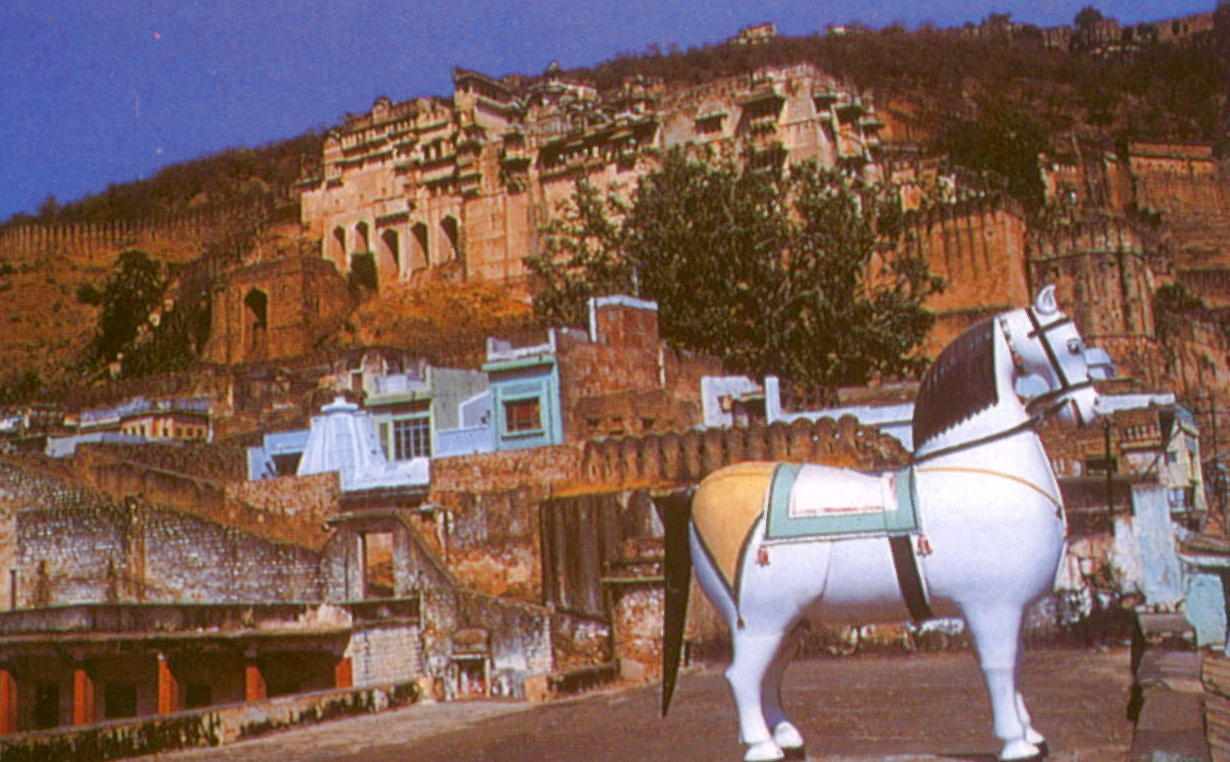 The serpentine Taragarh Fort is Bundi’s pride. This imposing
fort was raised at a height of 500 metres atop a hill by Rao Bar Singh in the 13th
century. Strong bastions rise above the chain of palaces built by different rulers
over a period of time. A huge reservoir within the fort provided water. A
curious feature about it is that whenever the water level rises above the danger
level, sluice gates are opened and the running water makes the lanes of the city
turn into miniature canals. Inside the fort, the Chhatra Mahal was built by Raja
Chhatrasal in 1660. The famous Bundi Kalam miniatures can be found here.
The serpentine Taragarh Fort is Bundi’s pride. This imposing
fort was raised at a height of 500 metres atop a hill by Rao Bar Singh in the 13th
century. Strong bastions rise above the chain of palaces built by different rulers
over a period of time. A huge reservoir within the fort provided water. A
curious feature about it is that whenever the water level rises above the danger
level, sluice gates are opened and the running water makes the lanes of the city
turn into miniature canals. Inside the fort, the Chhatra Mahal was built by Raja
Chhatrasal in 1660. The famous Bundi Kalam miniatures can be found here.
 The Zenana Mahal and the Badal Mahal also have
an excellent collection of miniatures. The famous Chitrashala, built by Rao Raja
Umed Singh (1739-70) has open galleries running around it and have the best of Bundi
wall paintings depicting the Raas Leela, court life and beautiful women.
The Zenana Mahal and the Badal Mahal also have
an excellent collection of miniatures. The famous Chitrashala, built by Rao Raja
Umed Singh (1739-70) has open galleries running around it and have the best of Bundi
wall paintings depicting the Raas Leela, court life and beautiful women.
 Return to the elegant Umed Bhavan Palace Hotel in Kota
Day 10: Kota - Castle Bijaipur:
AM: Half-day drive to Castle Bijaipur. This 16th century castle set
in the serene Vindhyanchal hill ranges was built by Rao Shakti Singhji, the
younger brother of the great warrior Maharana Pratap. This fort echoes the sounds
of many fierce battles of historic importance fought against the Mughals and the
Marathas. A wildlife sanctuary adjacent to the castle has leopard, chinkara, spotted
and four-horned deer, crocodile and wild boar as well as a variety of birds. Jeep
and camel safaris, trekking and camping, visits to nearby Pangarh fort and boating
and fishing in its lotus lake, and local tribal folk songs in the evenings are other
activities arranged here.
Day 11: Bijaipur - Chittaurgarh Fort – Udaipur:
AM: Drive to Udaipur via the Chittaurgarh Fort. The ascent to
this awesome hill fort is by a torturous winding road defended by seven fortified
gateways. Each turn of the road bears a legend of the sacrifice of a brave soldier.
Particularly touching are the cenotaphs of two teenaged Rajput chieftains Jaimal
and Patta who led the fortress’ defence against the might of the Mughal Emperor
Akbar. An outstanding feature of the fort is the Vijaysthambha (Tower of Victory).
Profusely carved with images of gods and godesses, this nine-storied architectural
masterpiece is visible from the plains below for miles around.
Return to the elegant Umed Bhavan Palace Hotel in Kota
Day 10: Kota - Castle Bijaipur:
AM: Half-day drive to Castle Bijaipur. This 16th century castle set
in the serene Vindhyanchal hill ranges was built by Rao Shakti Singhji, the
younger brother of the great warrior Maharana Pratap. This fort echoes the sounds
of many fierce battles of historic importance fought against the Mughals and the
Marathas. A wildlife sanctuary adjacent to the castle has leopard, chinkara, spotted
and four-horned deer, crocodile and wild boar as well as a variety of birds. Jeep
and camel safaris, trekking and camping, visits to nearby Pangarh fort and boating
and fishing in its lotus lake, and local tribal folk songs in the evenings are other
activities arranged here.
Day 11: Bijaipur - Chittaurgarh Fort – Udaipur:
AM: Drive to Udaipur via the Chittaurgarh Fort. The ascent to
this awesome hill fort is by a torturous winding road defended by seven fortified
gateways. Each turn of the road bears a legend of the sacrifice of a brave soldier.
Particularly touching are the cenotaphs of two teenaged Rajput chieftains Jaimal
and Patta who led the fortress’ defence against the might of the Mughal Emperor
Akbar. An outstanding feature of the fort is the Vijaysthambha (Tower of Victory).
Profusely carved with images of gods and godesses, this nine-storied architectural
masterpiece is visible from the plains below for miles around.
 The fort is perched on a 600 ft high hill, covering 700 acres.
It was constructed by Maurya rulers in the 7th century. In the fort, a palace was
built for Queen Padmini whose beauty was responsible for the battle between Allauddin
Khilji and Rana Ratan Singh. Rani Padmini was a celebrated beauty and according
to a legend, it was here that Rana Ratan Singh showed a glimpse of her to Allauddin
Khilji, the Sultan of Delhi. The palace overlooks a pool in which the ‘Zanana Mahal’
is situated, where Padmini stood when her reflection in the water was shown to Allauddin
Khilji in a mirror placed in the main hall.
Chittaurgarh was sacked in 1303 by Alauddin Khilji, who
laid siege upon the fort for the sake of Padmini. The brave and idealistic Rajputs
would rather die than give up Padmini, and when defeat became a foregone conclusion,
Padmini with all the other Rajput ladies in Chittorgarh, immolated themselves in
a cave within the fort precincts. Her husband led the handful of remaining men
to a glorious death at the hands of the Pathans. Chittorgarh is inseparable from
Padmini's story and has inspired poets and novelists down the ages. Drive
on to Udaipur in the afternoon.
The fort is perched on a 600 ft high hill, covering 700 acres.
It was constructed by Maurya rulers in the 7th century. In the fort, a palace was
built for Queen Padmini whose beauty was responsible for the battle between Allauddin
Khilji and Rana Ratan Singh. Rani Padmini was a celebrated beauty and according
to a legend, it was here that Rana Ratan Singh showed a glimpse of her to Allauddin
Khilji, the Sultan of Delhi. The palace overlooks a pool in which the ‘Zanana Mahal’
is situated, where Padmini stood when her reflection in the water was shown to Allauddin
Khilji in a mirror placed in the main hall.
Chittaurgarh was sacked in 1303 by Alauddin Khilji, who
laid siege upon the fort for the sake of Padmini. The brave and idealistic Rajputs
would rather die than give up Padmini, and when defeat became a foregone conclusion,
Padmini with all the other Rajput ladies in Chittorgarh, immolated themselves in
a cave within the fort precincts. Her husband led the handful of remaining men
to a glorious death at the hands of the Pathans. Chittorgarh is inseparable from
Padmini's story and has inspired poets and novelists down the ages. Drive
on to Udaipur in the afternoon.
The Lake Palace Hotel -Udaipur
Day 12: Udaipur: Serene in the shadow of dark green hills, the three lakes at Udaipur
are shimmering jewels from which rise fairytale white palaces. Udaipur was founded
in 1568 by Maharana Udai Singh II. The city is full of palaces, temples and havelis
ranging from the modest to the extravagant. It is also proud of its heritage as
a centre for the performing arts, paintings and crafts. The "Surya Vanshi" Maharanas
of Udaipur are Sun worshippers and trace their geneology to the Hindu god Rama.
They have a history full of tales of valor and courage and romance. We also
will visit "Sahelion Ki Bari" - the Garden of the Maids, an enchanting garden created
for the pleasure of the ladies of the royal court. In the evening, we will take
a sunset cruise around Lake Pichola, and visit the island of Jag Mandir. The palace
on this island was built as a retreat for the Mughal emperor Shah Jahan, builder
of the Taj Mahal.
The Trident Hotel, Udaipur
Serene in the shadow of dark green hills, the three lakes at Udaipur
are shimmering jewels from which rise fairytale white palaces. Udaipur was founded
in 1568 by Maharana Udai Singh II. The city is full of palaces, temples and havelis
ranging from the modest to the extravagant. It is also proud of its heritage as
a centre for the performing arts, paintings and crafts. The "Surya Vanshi" Maharanas
of Udaipur are Sun worshippers and trace their geneology to the Hindu god Rama.
They have a history full of tales of valor and courage and romance. We also
will visit "Sahelion Ki Bari" - the Garden of the Maids, an enchanting garden created
for the pleasure of the ladies of the royal court. In the evening, we will take
a sunset cruise around Lake Pichola, and visit the island of Jag Mandir. The palace
on this island was built as a retreat for the Mughal emperor Shah Jahan, builder
of the Taj Mahal.
The Trident Hotel, Udaipur Day 13: Udaipur – Delhi / Bombay:
AM or PM: Flight to onward destination via Bombay or Delhi.
More About Romantic Rajasthan
More Wildlife?? Click below!
Adventures in Nepal
Jungles of North India
Jungles of South India
Day 13: Udaipur – Delhi / Bombay:
AM or PM: Flight to onward destination via Bombay or Delhi.
More About Romantic Rajasthan
More Wildlife?? Click below!
Adventures in Nepal
Jungles of North India
Jungles of South India