India Holidays
The Jungles of South India
SAMPLE ITINERARY
17 DAYS: BANGALORE-HASSAN (BELUR & HALEBID TEMPLES) - NAGARHOLE
WILDLIFE SANCTUARY -BANDIPUR WLS-MYSORE-OOTY-MUNNAR-PERIYAR WLS-MADURAI TEMPLE-TANJORE-TRICHI-MAHABALIPURAM
BEACH-CHENNAI (MADRAS)
Day 01: Bangalore- Hassan:
AM: Arrive Bangalore. PM: Transfer to Hassan, apx.
4 hours drive. Check-in at hotel.
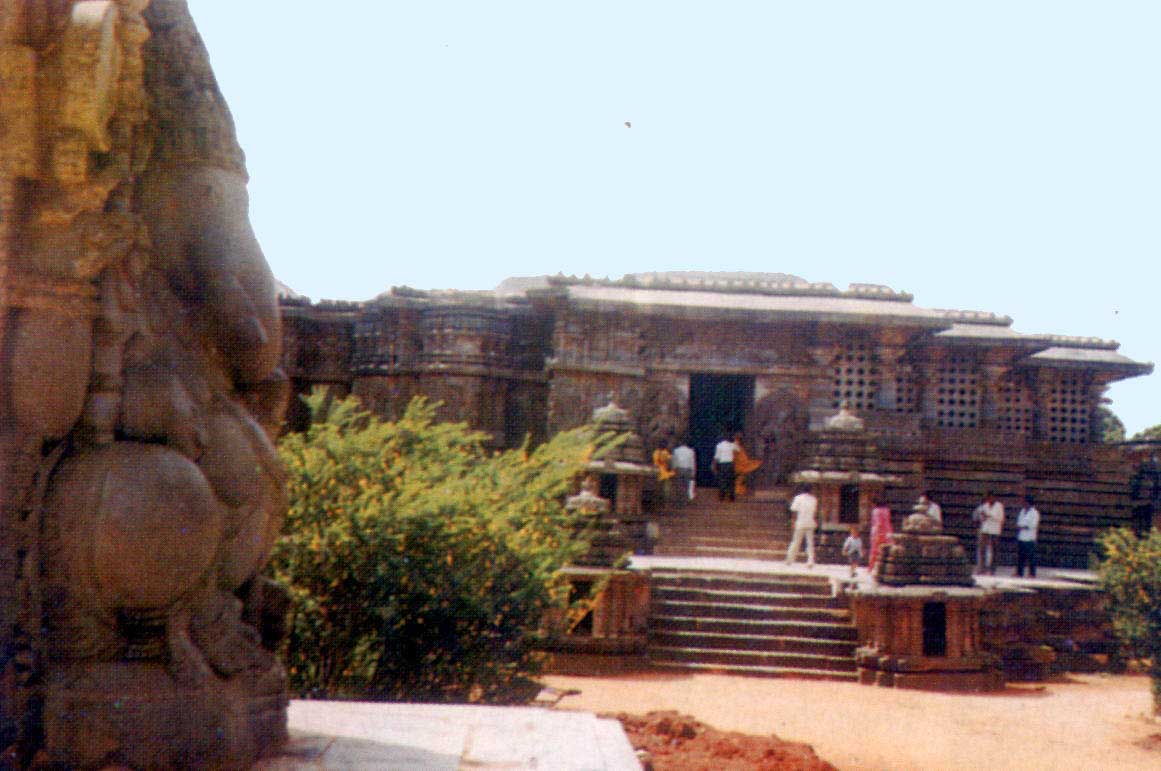 Day 02: Hassan- Belur - Halebid- Hassan:
Full day excursion to experience the rich culture of this area before
setting off into the jungles. From Hassan, we will proceed to the fabulous temples
at Belur and Halebid, celebrated for “the artistic combination of horizontal with
vertical, and the play of outline and of light and shade...” The wealth of sculptured
friezes is simply unbelievable, since from the base to the projected eaves, every
inch of available wall surface is covered with the most exquisitely sculptured images.
Outside, the Hoysala sculptors have surpassed themselves - unending rows of nearly
650 elephants, horses, lions, birds and warriors. The larger panels on the walls
depict scenes from the great epics - the Ramayana and the Mahabharata.
Day 03: Hassan - Nagarhole Wildlife Reserve:
AM: Drive to the Kabini River Lodge in the Nagarhole Wildlife Reserve.
Located at the tri-junction of the Indian states of Karnataka, Tamil Nadu and Kerala,
this is one of the premier forests of South India. The Kabini River Lodge
is a delightful place set on the banks of the river Kabini, dammed to create a large
backwater teeming with bird life. An old hunting lodge of the Maharaja of Mysore,
the ethnic resort offers a tranquil getaway with colonial style bungalows, cottages
and tented accommodation.
Day 02: Hassan- Belur - Halebid- Hassan:
Full day excursion to experience the rich culture of this area before
setting off into the jungles. From Hassan, we will proceed to the fabulous temples
at Belur and Halebid, celebrated for “the artistic combination of horizontal with
vertical, and the play of outline and of light and shade...” The wealth of sculptured
friezes is simply unbelievable, since from the base to the projected eaves, every
inch of available wall surface is covered with the most exquisitely sculptured images.
Outside, the Hoysala sculptors have surpassed themselves - unending rows of nearly
650 elephants, horses, lions, birds and warriors. The larger panels on the walls
depict scenes from the great epics - the Ramayana and the Mahabharata.
Day 03: Hassan - Nagarhole Wildlife Reserve:
AM: Drive to the Kabini River Lodge in the Nagarhole Wildlife Reserve.
Located at the tri-junction of the Indian states of Karnataka, Tamil Nadu and Kerala,
this is one of the premier forests of South India. The Kabini River Lodge
is a delightful place set on the banks of the river Kabini, dammed to create a large
backwater teeming with bird life. An old hunting lodge of the Maharaja of Mysore,
the ethnic resort offers a tranquil getaway with colonial style bungalows, cottages
and tented accommodation.
 Day 03 ( PM) and Day 4 (AM & PM): Nagarhole Wildlife Reserve:
Exploring the Reserve. Early morning jeep safari into the jungle
with a resident naturalist, or a ride on the river Kabini in a coracle (a native
boat shaped like a round, flat basket). The tree stumps protruding from the water
provide surrealistic perches for the myriad birds. A well-equipped library stocked
with wildlife books and videos provides hours of entertainment and knowledge.
Nagarahole has emerged as one of the last safe asylums for the Asian
Elephant. The precious tracts of deciduous forests of Nagarahole are also
a refuge for the Royal Bengal Tiger which is on the verge of extinction in India
and elsewhere. The reserve sprawls over 643 sq.kms and derives its name
from a small river called “Nagarahole”, which means “serpentine river”. To the south,
the Brahmagiri Mountains, an integral part of the Western Ghats form a permanent
backdrop. The Wynad Wildlife sanctuary of Kerala also shares its boundary
with the southern part of Nagarahole. The river Kabini forms a natural boundary
for the Park in the east, beyond which is the Bandipur National Park. The
moist, deciduous forests of Nagarahole merge with the coffee plantations of Kodagu
in the west. The northern periphery of the Park is reduced to scrub jungle, a result
of high biotic pressure, beyond which lies a barren landscape.
Nagarahole has a salubrious climate. During summer (March to May) the
mercury rarely rises above 33 Celsius and during winter (November to February)
the minimum temperature is 14 Celsiusi. The period between June and September
constitute monsoon. The Park receives 1000 - 1500 mm of rainfall and one may
expect it to rain heavily on most days in the wet season.
Day 03 ( PM) and Day 4 (AM & PM): Nagarhole Wildlife Reserve:
Exploring the Reserve. Early morning jeep safari into the jungle
with a resident naturalist, or a ride on the river Kabini in a coracle (a native
boat shaped like a round, flat basket). The tree stumps protruding from the water
provide surrealistic perches for the myriad birds. A well-equipped library stocked
with wildlife books and videos provides hours of entertainment and knowledge.
Nagarahole has emerged as one of the last safe asylums for the Asian
Elephant. The precious tracts of deciduous forests of Nagarahole are also
a refuge for the Royal Bengal Tiger which is on the verge of extinction in India
and elsewhere. The reserve sprawls over 643 sq.kms and derives its name
from a small river called “Nagarahole”, which means “serpentine river”. To the south,
the Brahmagiri Mountains, an integral part of the Western Ghats form a permanent
backdrop. The Wynad Wildlife sanctuary of Kerala also shares its boundary
with the southern part of Nagarahole. The river Kabini forms a natural boundary
for the Park in the east, beyond which is the Bandipur National Park. The
moist, deciduous forests of Nagarahole merge with the coffee plantations of Kodagu
in the west. The northern periphery of the Park is reduced to scrub jungle, a result
of high biotic pressure, beyond which lies a barren landscape.
Nagarahole has a salubrious climate. During summer (March to May) the
mercury rarely rises above 33 Celsius and during winter (November to February)
the minimum temperature is 14 Celsiusi. The period between June and September
constitute monsoon. The Park receives 1000 - 1500 mm of rainfall and one may
expect it to rain heavily on most days in the wet season.
 The Reserve is situated at an average
elevation of 800 - 850m above MSL, and the terrain is gently undulating. The
highest peak is the Masalabetta (959 m) and the lowest point is the Kabini, the
largest river that drains this Park. The Lakshmanatheertha, Hebballa, Taraka
and Nagarahole are the other rivers that criss-cross the National Park. The
bountiful water is also a factor that renders the Park so rich in animal life. Ungulates
and primates attain a density of 91 animals per square kilometer, rendering the
Park comparable to any other rich habitat on the Planet Earth. The Bonnet Macaque,
Gray Langur and Slender Loris are the three non-human primates of the Park.
The Bonnet Macaque has religious significance among the Hindus. They are not
uncommon even in villages and cities in India. However, the Slender Loris
is wary of human beings. This nocturnal animal, called the Ghost Walker of
the jungle is restricted in distribution to South India & Sri Lanka. Hunting
and habitat destruction has severely threatened this species.
The Tiger, largest and the grandest feline in the world is unique to
Asia, is also present here. There are 65-70 of these magnificent cats in the Park.
As tigers are solitary animals and hunt primarily between dusk and dawn, they
are seldom seen. However, the sounds in the forests of Nagarahole tell a chilling
story - the Tiger is on the prowl. The Leopard is equally elusive. There are about
150 of these animals in the Park, and many more in the reserved forests surrounding
the Park. The rusty Spotted Cat and the Leopard cat are the other felines
of the Park. Stable populations of the Wild Dog or Dhole occur with other
carnivores of the Park. They hunt in packs and in a Dhole pack only the dominant
male and female breed. The Sloth Bear is one of the attractions of Nagarahole.
The bear neither has acute hearing nor sharp eye sight, but is led by the nose.
Many times the bear remains unaware of human approach and a close encounter
could only be dangerous to man. The Stripenecked Mongoose, Ruddy Mongoose, and the
Common Mongoose are easily seen in Nagarahole. A foray into the jungle at
night may reveal the Small Indian Civet and the Common Palm Civet. Near the waterholes
and the river banks the Common Otter and the Clawless Otter could be sighted. The
Indian Pangolin, the common Giant Flying Squirrel, Indian Giant Squirrel, the Flying
Fox, Indian Porcupine, the jackal and the Black Naped Hare are also present.
The Reserve is situated at an average
elevation of 800 - 850m above MSL, and the terrain is gently undulating. The
highest peak is the Masalabetta (959 m) and the lowest point is the Kabini, the
largest river that drains this Park. The Lakshmanatheertha, Hebballa, Taraka
and Nagarahole are the other rivers that criss-cross the National Park. The
bountiful water is also a factor that renders the Park so rich in animal life. Ungulates
and primates attain a density of 91 animals per square kilometer, rendering the
Park comparable to any other rich habitat on the Planet Earth. The Bonnet Macaque,
Gray Langur and Slender Loris are the three non-human primates of the Park.
The Bonnet Macaque has religious significance among the Hindus. They are not
uncommon even in villages and cities in India. However, the Slender Loris
is wary of human beings. This nocturnal animal, called the Ghost Walker of
the jungle is restricted in distribution to South India & Sri Lanka. Hunting
and habitat destruction has severely threatened this species.
The Tiger, largest and the grandest feline in the world is unique to
Asia, is also present here. There are 65-70 of these magnificent cats in the Park.
As tigers are solitary animals and hunt primarily between dusk and dawn, they
are seldom seen. However, the sounds in the forests of Nagarahole tell a chilling
story - the Tiger is on the prowl. The Leopard is equally elusive. There are about
150 of these animals in the Park, and many more in the reserved forests surrounding
the Park. The rusty Spotted Cat and the Leopard cat are the other felines
of the Park. Stable populations of the Wild Dog or Dhole occur with other
carnivores of the Park. They hunt in packs and in a Dhole pack only the dominant
male and female breed. The Sloth Bear is one of the attractions of Nagarahole.
The bear neither has acute hearing nor sharp eye sight, but is led by the nose.
Many times the bear remains unaware of human approach and a close encounter
could only be dangerous to man. The Stripenecked Mongoose, Ruddy Mongoose, and the
Common Mongoose are easily seen in Nagarahole. A foray into the jungle at
night may reveal the Small Indian Civet and the Common Palm Civet. Near the waterholes
and the river banks the Common Otter and the Clawless Otter could be sighted. The
Indian Pangolin, the common Giant Flying Squirrel, Indian Giant Squirrel, the Flying
Fox, Indian Porcupine, the jackal and the Black Naped Hare are also present.
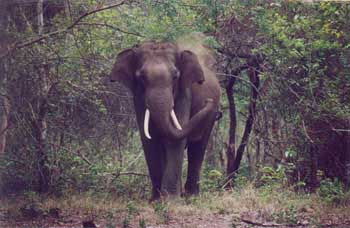 The Asian Elephant (Elephas maximus), held as the embodiment
of natural wisdom in India, is gradually disappearing. It is estimated that
about 200 to 300 sq.kms forest areas are needed to sustain each of these mega feeders.
The ever-growing human population has encroached so much of the forests that the
fragmentation of the habitat poses a serious threat to the species. This majestic
animal, portrayed so much in the art, history and folklore of India, held sacrosanct
in the two major religions of the continent - Hinduism and Buddhism is getting extinct
and if that happens, it would be a terrible tragedy. With about 1500 elephants,
Nagarahole has the highest density for the Asian Elephant. The complex of
Nagarahole, Bandipur, Wynad and Mudumalai, covering over 2000 sq.kms, is probably
the last hope for the wild elephant. The banks of the river Kabini during summer
are the best place for sighting, studying and photographing wild elephants.
Elephants congregate here in small and big groups. They seldom take notice
of close approach on vehicles as they seem to realize that they are absolutely safe
here from poachers.
Of the other ungulates, the Barking Deer, Sambar and the Four-horned
Antelopes occur in small parties. All the three species are selective feeders.
Unusually large groups of Gaur (wild buffalo) are often sighted in the Park, especially
during the summer months. Small groups of wild boar are also common throughout
the Park. The Mouse Deer, found only in South India and Sri Lanka, is an extremely
rare animal of the Park. This miniature deer differs from other cervids in
many ways. A solitary and nocturnal animal, it has four-toed feet, with well developed
canines, and eats small animals.
A preliminary checklist records 270 species of birds. The Hill
Myna, various species of Drongos and babblers are the most vociferous birds during
the day. During the night several species of Nightjars, Barred Jungle Owlet
and the Great Horned Owl keep the forest alive with sounds. The rare ‘Forest Eagle-Owl’,
contributes an extremely weird and terrifying call in the night. Other rare birds
include The Malabar Trogon, Blubearded Bee-eater, and the Lesser Coucal. The
Malabar Pied Hornbill is another rare bird at Nagarahole and if we are very lucky,
the extraordinary bird, the Great Pied Hornbill could also be sighted.
Nagarahole is home to common as well as rare and reptiles. The
Indian Rock Python, Bamboo Pit Viper, Russel’s Viper and the Commom Cobra are frequently
encountered. Every water hole in Nagarahole offers shelter and breeding grounds
to the Soft-shelled Turtles and the Indian Pond Terrapins. The Brahmagiri mountains
harbor endemic tortoises like the Travancore Tortoise and the Cane Tortoise.
What was once considered to be extinct along with the dinosaurs - the Flying Lizard-
is still alive and active in Nagarahole. As they are incapable of flying, they do
the second best thing - they glide from tree to tree. The Flying snake or the Golden
Tree Snake also does not have wings, but this colorful snake can leap from a tree
top and glide in the air. The Marsh Crocodile is sighted regularly, sun-bathing
on the banks of the river Kabini.
Day 05: PM: Nagarhole-Bandipur Wildlife Reserve:
Drive on through the forest to the adjacent Badnipur reserve. PM: Excursions
into the jungle by jeeps and on elephants.
The 874.20 sq. km. Bandipur National Park with its open grassy woodland,
lies to the south of the Kabini River . A dam on the Kabini and its picturesque
reservoir separates it from Nagarhole. In the dense moist deciduous forests of this
area the upper canopy reaches heights of 30m and valuable hardwoods like teak and
rosewood are also to be found here. Bandipur, lying in the shadow of the western
ghats, is one of the finest habitats of the Asian elephant. Drained by the Moyar
River, its open forest makes it easy for visitors to see the elephant and gaur in
natural surroundings. The terrain is undulating and broken by chains of hills, flat-topped
hillocks and water-courses. The reserve is drained by several rivers and streams.
The River Moyar has cut a picturesque gorge which is 260m deep, known as the Mysore
Ditch.
Day 06: Exploring Bandipur Wildlife Reserve:
The wildlife seen in this forest includes Tiger, Elephant, Gaur (Indian
bison), Leopard, Chital and Sambar. Birds like the Peafowl, Partridge, Quail, Hornbill
and Ibis are also found here. Apart from these, Dhole (wild dog), Sambar (deer),
Muntjac or Barking Deer, Giant Squirrel and sometimes Sloth Bear, Nocturnal Porcupine
and Blacknaped Hare may be seen in the sanctuary. Well-planned motorable roads close
to the perennial and seasonal water points, and adequate open space in the jungle
allow visitors to observe animals closely, particularly elephant herds, by car or
jeep. Pug marks on soft earth in the permissible tourism zone attest to the
presence of tigers, though they are rarely sighted. Much less seen is the leopard,
the other major carnivore.
The Asian Elephant (Elephas maximus), held as the embodiment
of natural wisdom in India, is gradually disappearing. It is estimated that
about 200 to 300 sq.kms forest areas are needed to sustain each of these mega feeders.
The ever-growing human population has encroached so much of the forests that the
fragmentation of the habitat poses a serious threat to the species. This majestic
animal, portrayed so much in the art, history and folklore of India, held sacrosanct
in the two major religions of the continent - Hinduism and Buddhism is getting extinct
and if that happens, it would be a terrible tragedy. With about 1500 elephants,
Nagarahole has the highest density for the Asian Elephant. The complex of
Nagarahole, Bandipur, Wynad and Mudumalai, covering over 2000 sq.kms, is probably
the last hope for the wild elephant. The banks of the river Kabini during summer
are the best place for sighting, studying and photographing wild elephants.
Elephants congregate here in small and big groups. They seldom take notice
of close approach on vehicles as they seem to realize that they are absolutely safe
here from poachers.
Of the other ungulates, the Barking Deer, Sambar and the Four-horned
Antelopes occur in small parties. All the three species are selective feeders.
Unusually large groups of Gaur (wild buffalo) are often sighted in the Park, especially
during the summer months. Small groups of wild boar are also common throughout
the Park. The Mouse Deer, found only in South India and Sri Lanka, is an extremely
rare animal of the Park. This miniature deer differs from other cervids in
many ways. A solitary and nocturnal animal, it has four-toed feet, with well developed
canines, and eats small animals.
A preliminary checklist records 270 species of birds. The Hill
Myna, various species of Drongos and babblers are the most vociferous birds during
the day. During the night several species of Nightjars, Barred Jungle Owlet
and the Great Horned Owl keep the forest alive with sounds. The rare ‘Forest Eagle-Owl’,
contributes an extremely weird and terrifying call in the night. Other rare birds
include The Malabar Trogon, Blubearded Bee-eater, and the Lesser Coucal. The
Malabar Pied Hornbill is another rare bird at Nagarahole and if we are very lucky,
the extraordinary bird, the Great Pied Hornbill could also be sighted.
Nagarahole is home to common as well as rare and reptiles. The
Indian Rock Python, Bamboo Pit Viper, Russel’s Viper and the Commom Cobra are frequently
encountered. Every water hole in Nagarahole offers shelter and breeding grounds
to the Soft-shelled Turtles and the Indian Pond Terrapins. The Brahmagiri mountains
harbor endemic tortoises like the Travancore Tortoise and the Cane Tortoise.
What was once considered to be extinct along with the dinosaurs - the Flying Lizard-
is still alive and active in Nagarahole. As they are incapable of flying, they do
the second best thing - they glide from tree to tree. The Flying snake or the Golden
Tree Snake also does not have wings, but this colorful snake can leap from a tree
top and glide in the air. The Marsh Crocodile is sighted regularly, sun-bathing
on the banks of the river Kabini.
Day 05: PM: Nagarhole-Bandipur Wildlife Reserve:
Drive on through the forest to the adjacent Badnipur reserve. PM: Excursions
into the jungle by jeeps and on elephants.
The 874.20 sq. km. Bandipur National Park with its open grassy woodland,
lies to the south of the Kabini River . A dam on the Kabini and its picturesque
reservoir separates it from Nagarhole. In the dense moist deciduous forests of this
area the upper canopy reaches heights of 30m and valuable hardwoods like teak and
rosewood are also to be found here. Bandipur, lying in the shadow of the western
ghats, is one of the finest habitats of the Asian elephant. Drained by the Moyar
River, its open forest makes it easy for visitors to see the elephant and gaur in
natural surroundings. The terrain is undulating and broken by chains of hills, flat-topped
hillocks and water-courses. The reserve is drained by several rivers and streams.
The River Moyar has cut a picturesque gorge which is 260m deep, known as the Mysore
Ditch.
Day 06: Exploring Bandipur Wildlife Reserve:
The wildlife seen in this forest includes Tiger, Elephant, Gaur (Indian
bison), Leopard, Chital and Sambar. Birds like the Peafowl, Partridge, Quail, Hornbill
and Ibis are also found here. Apart from these, Dhole (wild dog), Sambar (deer),
Muntjac or Barking Deer, Giant Squirrel and sometimes Sloth Bear, Nocturnal Porcupine
and Blacknaped Hare may be seen in the sanctuary. Well-planned motorable roads close
to the perennial and seasonal water points, and adequate open space in the jungle
allow visitors to observe animals closely, particularly elephant herds, by car or
jeep. Pug marks on soft earth in the permissible tourism zone attest to the
presence of tigers, though they are rarely sighted. Much less seen is the leopard,
the other major carnivore.
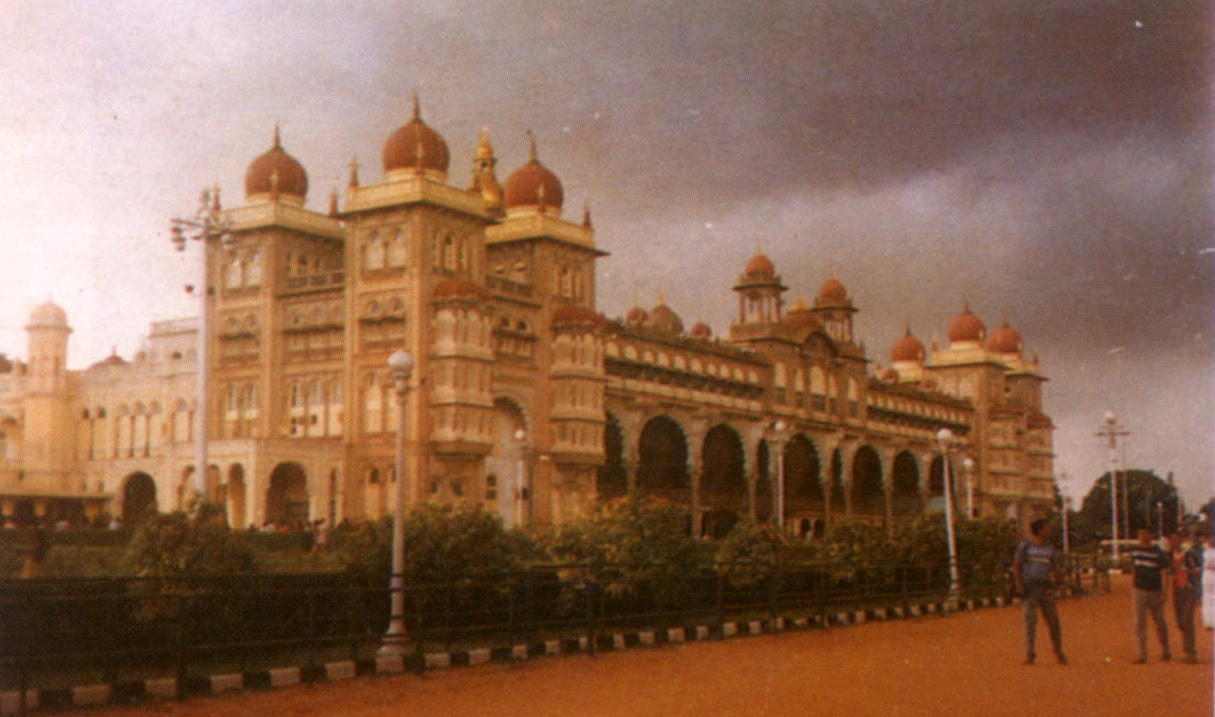 Day 07: Bandipur - Mysore (drive):
Half day drive to Mysore. On arrival transfer to your hotel.
Day 08: Mysore:
AM: Guided tour of Mysore. Mysore is a city of palaces, gardens and
oriental splendor. The ochre-colored Maharajah’s
palace is a massive edifice where the oriental decorative imagination
runs wild in a synthesis of Hindu and Muslim styles. A short
distance outside the city is a sparkling white, elegant palace, the
Lalitha Mahal, where we shall stay overnight.
PM: At leisure.
Day 09: Mysore- Ooty (drive):
AM: A half-day drive through the adjacent Mudumalai Wildlife Reserve,
up into the Nilgiris (Blue Mountains). The queen of South India’s hill-stations
is Ootacamund, or Ooty. Hundreds of summer houses are scattered over the pretty
meadows around Ooty, with the owners busy playing golf and tennis or shopping on
the Charing Cross in town. The town offers an interesting Botanical garden,
a small lake and some short treks to mountain tops like the Dodabetta ( 8640 ft).
PM: Explore the lovely meadows and tea plantations around Ooty.
This famous hill station in the Nilgiri Hills was founded by the British in
the early part of the 19th century to serve as the summer headquarters of the Madras
government. Before that time, the area was inhabited by the Todas, the tribal people
of which today only about 1500 remain. They were polygamists and worshipped buffaloes,
and you can see their animist shrines in various places.
Day 07: Bandipur - Mysore (drive):
Half day drive to Mysore. On arrival transfer to your hotel.
Day 08: Mysore:
AM: Guided tour of Mysore. Mysore is a city of palaces, gardens and
oriental splendor. The ochre-colored Maharajah’s
palace is a massive edifice where the oriental decorative imagination
runs wild in a synthesis of Hindu and Muslim styles. A short
distance outside the city is a sparkling white, elegant palace, the
Lalitha Mahal, where we shall stay overnight.
PM: At leisure.
Day 09: Mysore- Ooty (drive):
AM: A half-day drive through the adjacent Mudumalai Wildlife Reserve,
up into the Nilgiris (Blue Mountains). The queen of South India’s hill-stations
is Ootacamund, or Ooty. Hundreds of summer houses are scattered over the pretty
meadows around Ooty, with the owners busy playing golf and tennis or shopping on
the Charing Cross in town. The town offers an interesting Botanical garden,
a small lake and some short treks to mountain tops like the Dodabetta ( 8640 ft).
PM: Explore the lovely meadows and tea plantations around Ooty.
This famous hill station in the Nilgiri Hills was founded by the British in
the early part of the 19th century to serve as the summer headquarters of the Madras
government. Before that time, the area was inhabited by the Todas, the tribal people
of which today only about 1500 remain. They were polygamists and worshipped buffaloes,
and you can see their animist shrines in various places.
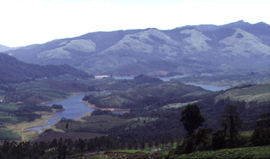 Day 10: Ooty - Munnar (drive):
AM: Half-day drive through pretty countryside to Munnar. This
is a gracious hill-station about 5000 to 8000ft above MSL, set amidst a picturesque
section of the Western Ghats. Situated at the confluence of three streams,
it offers a breath-taking expanse of tea plantations falling away to the horizon
in precise green steps. It's beauty is further enhanced by long black curving roads
that suddenly emerge from amidst the thick vegetation. Clouds drop gently on the
mountain peaks that flank the verdent slopes. Slender blue and red gum trees shoot
up into the sky, and the heady fragrance of fresh tea wafts into the winding lanes
of Munnar town from the surrounding tea- processing plants. Beyand the tea estates,
rich tropical forests are home to an assortment of wildlife such as the Nilgiri
Langur, Sambar, Gaur, Lion-tailed Maccaques and wild Tuskers. The calls of Bulbuls,
Shrike, Giant Owls, Wag tails and other birds fills the air. The valley is often
painted in the rich colors of rare orchids and medicinal herbs.
Day 11: Munnar- Periyar Wildlife Reserve (drive):
AM: Half day drive to Periyar. This outstanding Reserve is spread around
a man-made reservoir - the Periyar Lake. It winds around the surrounding hills almost
like a river. Herds of elephant, wild bulls and various species of deer wander down
to the lake-side for water, and can be observed from launches cruising upon the
lake. The big cats - tigers and leopards - are more elusive but can be glimpsed
in the dry months. The surrounding terrain is basically hilly, and the only
flat areas of the sanctuary are the grasslands, at the edges of the lakes. Apart
from apx. 800 wild elephants, the other animals in the sanctuary are gaur (Indian
wild buffalo), wild pigs, sambar deer, barking deer, mouse deer, dhole ( Indian
wild dog), the lion-tailed macaque, the Nilgiri langur, and an estimated 40 tigers.
Monitor lizards, pythons, king cobras, flying lizards, flying squirrels, flying
snakes and even flying frogs (!) are the other inhabitants of this amazing sanctuary.
Day 12: Periyar Wildlife Reserve:
AM and PM : Exursions by boat to view the wildlife.
Day 10: Ooty - Munnar (drive):
AM: Half-day drive through pretty countryside to Munnar. This
is a gracious hill-station about 5000 to 8000ft above MSL, set amidst a picturesque
section of the Western Ghats. Situated at the confluence of three streams,
it offers a breath-taking expanse of tea plantations falling away to the horizon
in precise green steps. It's beauty is further enhanced by long black curving roads
that suddenly emerge from amidst the thick vegetation. Clouds drop gently on the
mountain peaks that flank the verdent slopes. Slender blue and red gum trees shoot
up into the sky, and the heady fragrance of fresh tea wafts into the winding lanes
of Munnar town from the surrounding tea- processing plants. Beyand the tea estates,
rich tropical forests are home to an assortment of wildlife such as the Nilgiri
Langur, Sambar, Gaur, Lion-tailed Maccaques and wild Tuskers. The calls of Bulbuls,
Shrike, Giant Owls, Wag tails and other birds fills the air. The valley is often
painted in the rich colors of rare orchids and medicinal herbs.
Day 11: Munnar- Periyar Wildlife Reserve (drive):
AM: Half day drive to Periyar. This outstanding Reserve is spread around
a man-made reservoir - the Periyar Lake. It winds around the surrounding hills almost
like a river. Herds of elephant, wild bulls and various species of deer wander down
to the lake-side for water, and can be observed from launches cruising upon the
lake. The big cats - tigers and leopards - are more elusive but can be glimpsed
in the dry months. The surrounding terrain is basically hilly, and the only
flat areas of the sanctuary are the grasslands, at the edges of the lakes. Apart
from apx. 800 wild elephants, the other animals in the sanctuary are gaur (Indian
wild buffalo), wild pigs, sambar deer, barking deer, mouse deer, dhole ( Indian
wild dog), the lion-tailed macaque, the Nilgiri langur, and an estimated 40 tigers.
Monitor lizards, pythons, king cobras, flying lizards, flying squirrels, flying
snakes and even flying frogs (!) are the other inhabitants of this amazing sanctuary.
Day 12: Periyar Wildlife Reserve:
AM and PM : Exursions by boat to view the wildlife.
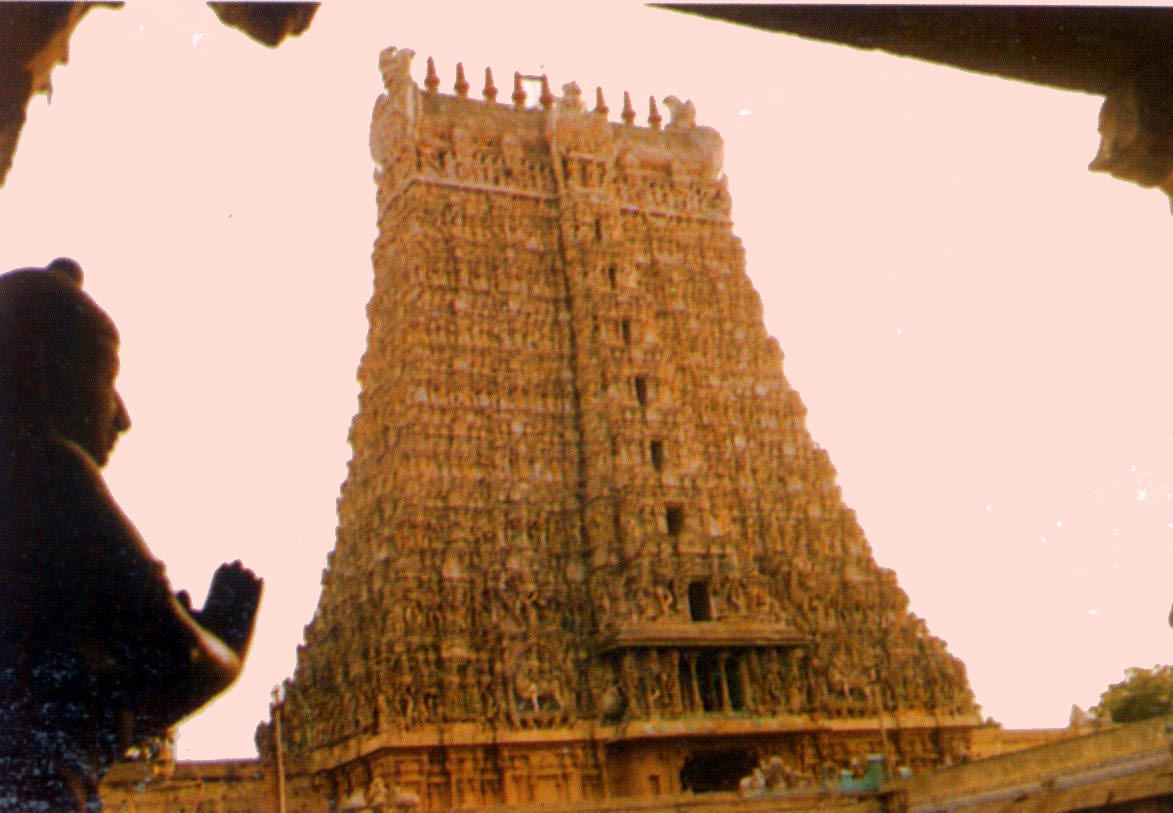 Day 13: Periyar- Madurai:
AM: Half-day drive to the famous temple town of Madurai. Madurai is
one of the oldest cities of the South India. Situated on the banks of the river
Vaigai, it is famous for its mighty Meenakshi Temple. Madurai is the subject
of an extraordinary number of myths. Every day, the Meenakshi Temple attracts pilgrims
in thousands, from all over India. Trumpets and drums and religious chanting constantly
fill the air. The Temple represents a great feat of structural engineering as well
as art. Its pillars are great picture-books in stone, featuring the entire gamut
of human expression: graceful dances, dignified royal events, even lusty humor.
The temple occupies an area of around six hectares, and has four entrances to it.
Day 14: Madurai - Tanjore - Tiruchirapalli (Trichy):
AM: Morning drive to Trichi, enroute visiting Tanjore’s Sri Brihadisvara
Temple: Built by the great Chola king, Raja Raja I in the 10th century AD, this
temple is an outstanding example of the Chola architecture. Guarding the inner shrine
of the temple, is the gigantic statue of Nandi, the Bull, while the walls of the
sanctum are covered with the wall paintings of Chola and Nayak periods, comparable
to the famous Ajanta cave frescoes. PM: Sightseeing of Trichi: Srirangam (Sri Ranganathaswamy
Temple). This temple, 3 miles north of Trichy, is among the most revered shrines
to Lord Vishnu in South India, and is probably the largest temple complex in India.
Enclosed by seven rectangular walled courtyards, this 13th century temple has 21
gopurams. The town, and the temple, are set on a 250-hectare island in the Cauvery
river, connected to the mainland by a bridge. The temple is very well preserved,
with excellent sculptures, and numerous shrines to various gods.
Day 15: Trichi - Mahabalipuram Beach (drive):
AM: Drive to Mahabalipuram. PM: Guided tour of City.. Mahabalipuram
is a monument to the glory of the Pallava Emperors who ruled this part of
India in the 7th & 8th centuries. Five of its "pagodas" are actually
chariots. These temples have excellent bas-reliefs in stone depicting fascinating
scenes from Hindu mythology. Of the many temples that were built along the sea-shore,
only one has survived the ravages of the ever-pounding ocean. It stands with
its back to the sea, a lonely silhouette, symbol of Man's greatness despite the
infinite vastness of his Universe
Day 16: Mahabalipuram Beach:
A day to relax on the pretty beach before the flight home.
Day 17: Mahabalipuram - Chennai (Madras) - Homeward:
AM: At leisure. PM: Drive to Chennai . Transfer to the airport
to connect with your onward flight/s.
_________
Tigers & Kings Adventures in Nepal
The
Jungles of North India
Day 13: Periyar- Madurai:
AM: Half-day drive to the famous temple town of Madurai. Madurai is
one of the oldest cities of the South India. Situated on the banks of the river
Vaigai, it is famous for its mighty Meenakshi Temple. Madurai is the subject
of an extraordinary number of myths. Every day, the Meenakshi Temple attracts pilgrims
in thousands, from all over India. Trumpets and drums and religious chanting constantly
fill the air. The Temple represents a great feat of structural engineering as well
as art. Its pillars are great picture-books in stone, featuring the entire gamut
of human expression: graceful dances, dignified royal events, even lusty humor.
The temple occupies an area of around six hectares, and has four entrances to it.
Day 14: Madurai - Tanjore - Tiruchirapalli (Trichy):
AM: Morning drive to Trichi, enroute visiting Tanjore’s Sri Brihadisvara
Temple: Built by the great Chola king, Raja Raja I in the 10th century AD, this
temple is an outstanding example of the Chola architecture. Guarding the inner shrine
of the temple, is the gigantic statue of Nandi, the Bull, while the walls of the
sanctum are covered with the wall paintings of Chola and Nayak periods, comparable
to the famous Ajanta cave frescoes. PM: Sightseeing of Trichi: Srirangam (Sri Ranganathaswamy
Temple). This temple, 3 miles north of Trichy, is among the most revered shrines
to Lord Vishnu in South India, and is probably the largest temple complex in India.
Enclosed by seven rectangular walled courtyards, this 13th century temple has 21
gopurams. The town, and the temple, are set on a 250-hectare island in the Cauvery
river, connected to the mainland by a bridge. The temple is very well preserved,
with excellent sculptures, and numerous shrines to various gods.
Day 15: Trichi - Mahabalipuram Beach (drive):
AM: Drive to Mahabalipuram. PM: Guided tour of City.. Mahabalipuram
is a monument to the glory of the Pallava Emperors who ruled this part of
India in the 7th & 8th centuries. Five of its "pagodas" are actually
chariots. These temples have excellent bas-reliefs in stone depicting fascinating
scenes from Hindu mythology. Of the many temples that were built along the sea-shore,
only one has survived the ravages of the ever-pounding ocean. It stands with
its back to the sea, a lonely silhouette, symbol of Man's greatness despite the
infinite vastness of his Universe
Day 16: Mahabalipuram Beach:
A day to relax on the pretty beach before the flight home.
Day 17: Mahabalipuram - Chennai (Madras) - Homeward:
AM: At leisure. PM: Drive to Chennai . Transfer to the airport
to connect with your onward flight/s.
_________
Tigers & Kings Adventures in Nepal
The
Jungles of North India